Search
CloseWood
Veneer
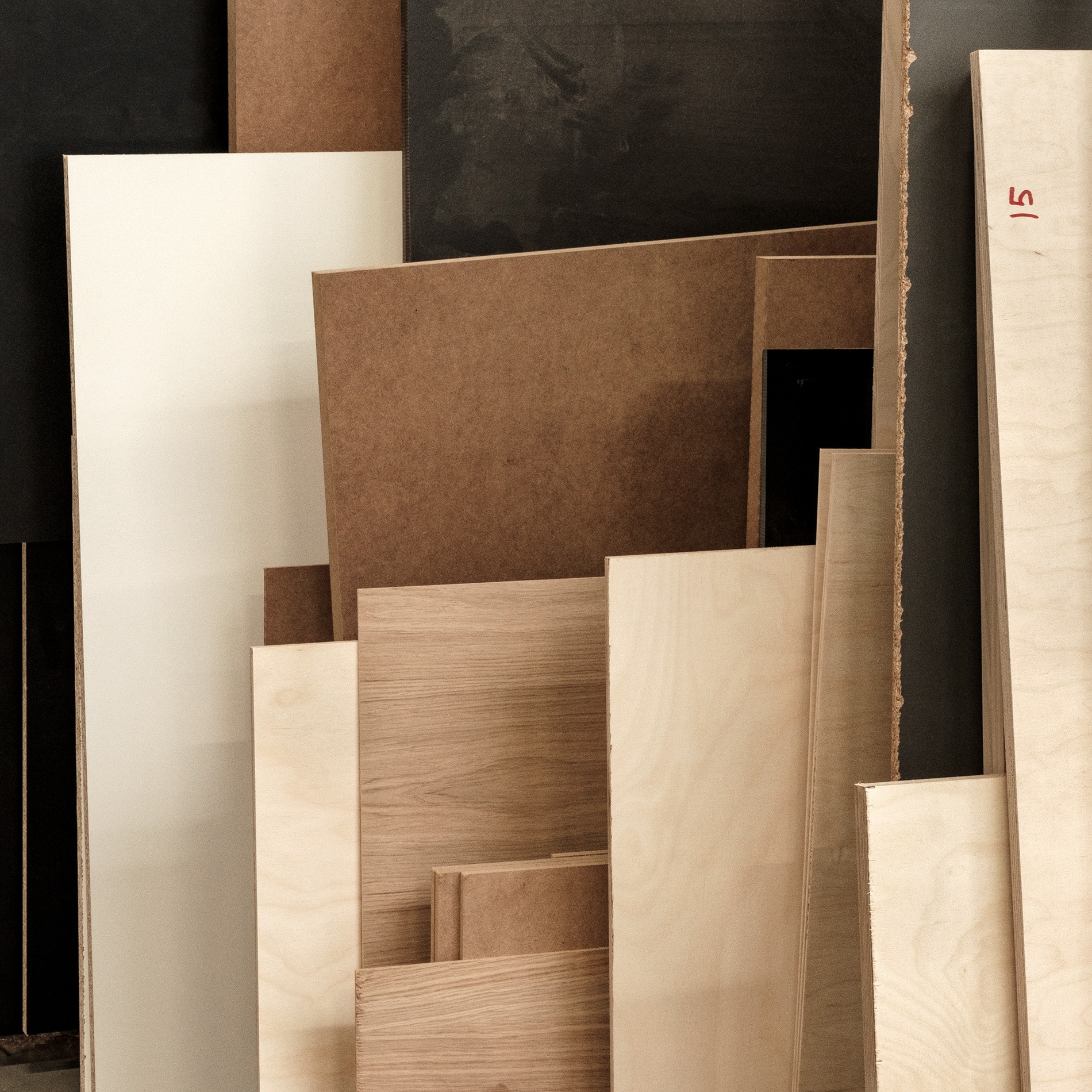
Veneer is a thin layer of real wood that is carefully applied to our panel materials. Because veneer is genuine wood, it is often indistinguishable from solid timber. Wood is a natural material and therefore always unique, which means every veneer panel has its own character. Depending on the wood species, the top layer may be harder or softer, and even within the same species variations in grain and color can occur. Exposure to daylight may cause veneer to change color over time.
Lacquered surfaces are best cleaned with water, optionally combined with a mild, non-abrasive liquid soap.
Regular use may result in small scratches, which are inherent to the material. Veneer is also sensitive to heat, so care should be taken with hot liquids; always use a coaster for hot drinks such as tea or coffee.
Oil
Wood oil is transparent and penetrates the wood, preserving its natural appearance. The surface does not become glossy and the wood grain remains visible and tactile. In some cases, oak components or veneer are treated with oil to achieve different visual effects while maintaining the visible structure of the oak base material. The oil used by Lande (Rubio Monocoat) forms a molecular bond with the substrate, providing excellent durability and wear resistance.
Regular dusting with a nearly dry cloth is sufficient for maintenance. If desired, the Monocoat Furniture Maintenance Kit can be used (available via www.monocoatwebshop.nl).
Stain
Wood stain protects wood from external influences. It penetrates deeply into the wood and regulates moisture, allowing moisture to escape while preventing it from entering. Within our collection, stain is used to give furniture its color, after which a transparent lacquer layer is always applied to create a protective, hard topcoat.
Wooden armrests, backs, and seats are finished with stain. The wood structure remains clearly visible through the transparent stain layer, meaning the base material strongly influences the final appearance. The base material of the samples is beech (as used for most armrests and seat shells).
Stained surfaces are best cleaned with water, optionally combined with a mild, non-abrasive liquid soap. Furniture waxes and polishes are not recommended, as they can create a buildup of wax and silicone, which may cause discoloration or streaking and make repairs difficult.
Lacquer
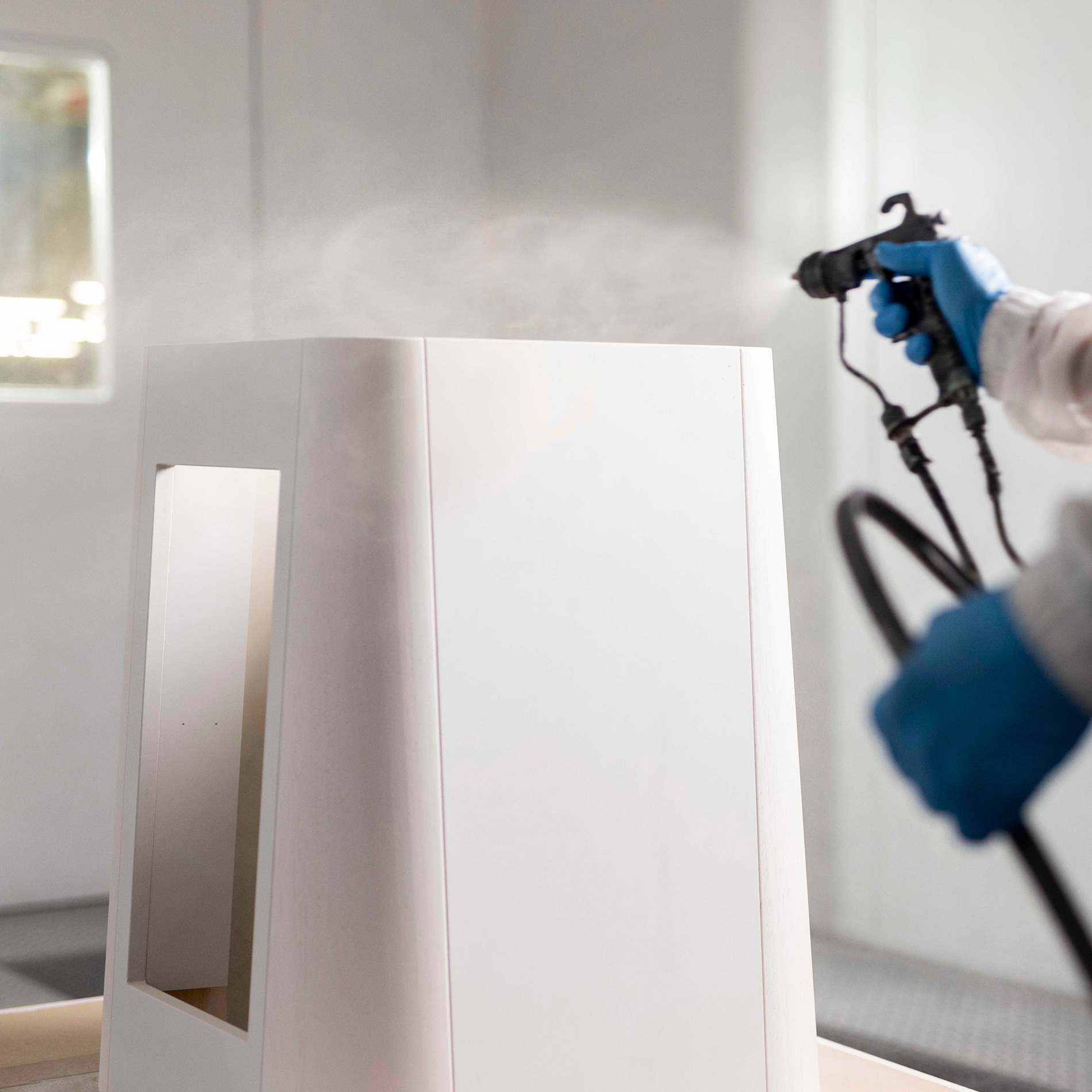
Wet lacquer finishing involves applying liquid lacquer to a product using spray equipment. At Lande, this process is carried out manually, allowing each finish to be tailored precisely. This approach is more sustainable and efficient than automated methods and enables an additional level of quality control. One or more lacquer layers can be applied to protect the material.
Opaque lacquered surfaces should be cleaned with lukewarm water, optionally with a mild, non-abrasive liquid soap. Vigorous scrubbing in one spot is not recommended, as this may create a polishing effect and lead to differences in gloss. The use of abrasive cleaners or scouring pads should also be avoided, as these can scratch the surface.